Preventive Care
Drug Rehabilitation Centers: Providing Professional Support, Guidance, and a Path Toward Recovery and a Healthier Life
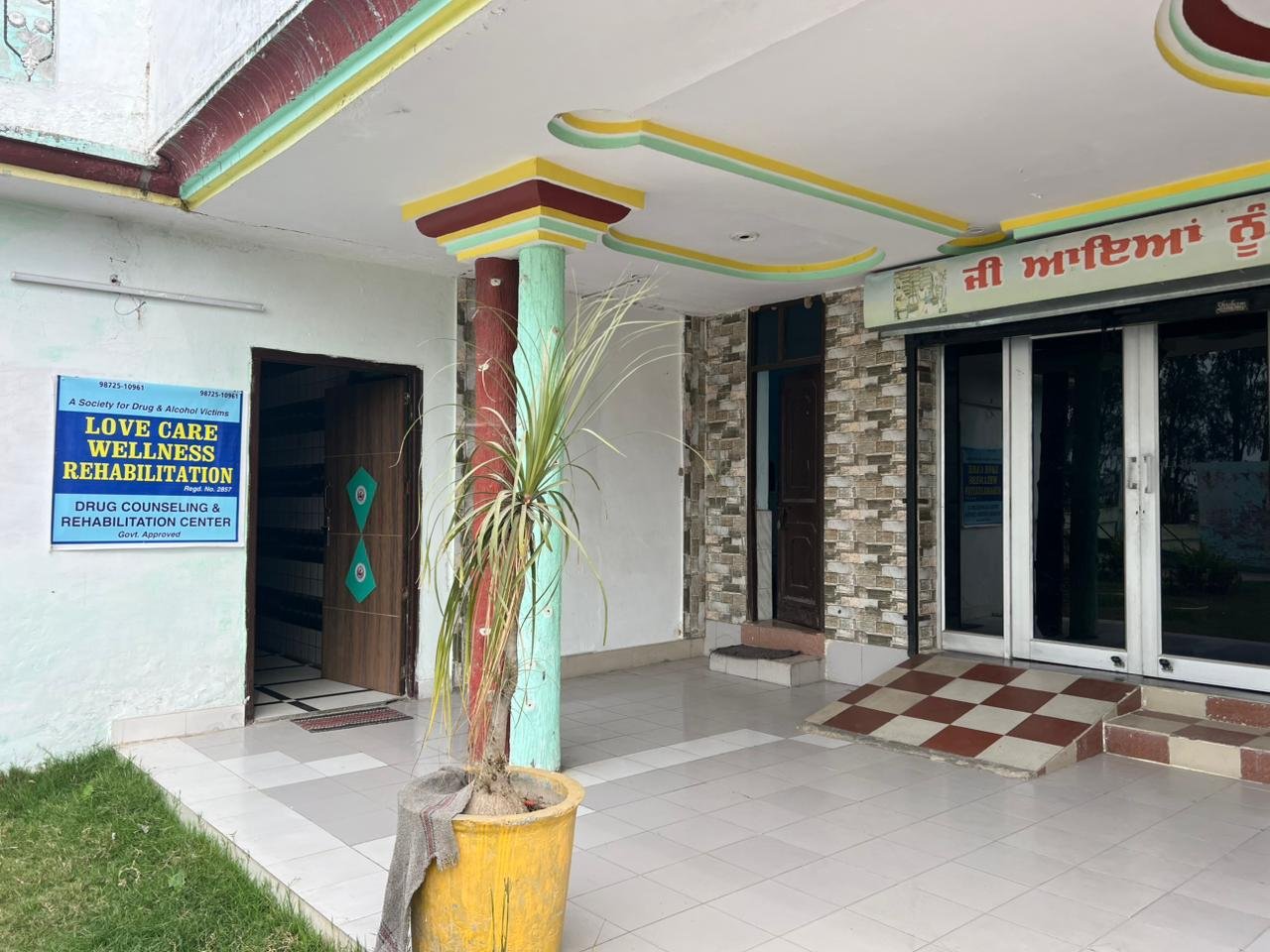
Nasha Mukti Kendra In Ludhiana Drug rehabilitation plays an important role in helping individuals move away from harmful substance use and develop a healthier lifestyle. Quitting drugs can be difficult because addiction may involve physical dependence, psychological cravings, environmental triggers, and deeply established habits. Simply telling someone to stop using substances may not provide the medical care, emotional support, or practical skills required for sustained recovery. A structured rehabilitation program offers opportunities to understand addiction, identify triggers, develop coping strategies, and establish healthier routines. in our Nasha Mukti Kendra In Ludhiana It may also provide access to healthcare professionals who can assess withdrawal risks and treat associated physical or psychological conditions. Rehabilitation is not a guarantee that relapse will never occur, but it can equip individuals with tools to manage challenges and continue progressing toward recovery.
Drug rehab helps patients by creating a structured environment in which recovery becomes a central priority. Patients can participate in treatment sessions, follow daily routines, attend counseling, receive medical monitoring when necessary, and practice healthier behaviors. Professional support can help them recognize situations associated with substance use and develop strategies for responding differently.in Our Nasha Mukti Kendra In Ludhiana Rehabilitation may also help patients improve communication, rebuild confidence, manage anger, handle stress, and reconnect with positive relationships. Over time, these skills can support a more stable lifestyle and reduce the risk of returning to harmful patterns.
Professional treatment can offer several benefits, including medical assessment, individualized care, psychological support, education about addiction, relapse prevention planning, and assistance with rebuilding daily routines. Patients can learn about the effects of substances on the body and mind while receiving guidance on how to manage cravings and emotional challenges. Depending on the person's needs, treatment may also include medications, psychiatric care, vocational support, and family involvement. The benefits of rehabilitation are influenced by treatment quality, patient participation, access to continuing care, and the presence of a supportive environment after treatment.
Drug rehabilitation programs are not identical for every patient. Different treatment settings are designed to meet different levels of need, from medically supervised withdrawal management to long-term recovery support. The appropriate program depends on factors such as the substance involved, the severity of addiction, previous treatment experiences, physical health, mental health, living arrangements, and the availability of support at home. A qualified healthcare professional can help determine which treatment setting is appropriate. In some cases, patients may benefit from residential rehabilitation, while others may receive treatment through outpatient services. The central goal is to provide suitable care that supports safety, recovery, and continued improvement.
Inpatient or residential drug rehabilitation involves staying at a treatment facility while receiving structured care. This setting can provide separation from environments associated with substance use and allow patients to concentrate on recovery. Depending on the facility, services may include medical supervision, counseling, group therapy, educational sessions, wellness activities, and relapse prevention planning. Residential treatment may be particularly helpful for individuals who require a structured environment or who face significant challenges maintaining recovery in their usual surroundings. Before choosing a facility, families should review its qualifications, treatment methods, medical arrangements, patient safety procedures, and discharge planning.
Partial hospitalization and intensive outpatient programs provide more frequent treatment sessions than many standard outpatient services while allowing patients to return home outside scheduled treatment hours. These programs may involve several therapeutic sessions each week, medical appointments, psychological support, and structured recovery activities. They can be appropriate for individuals who need substantial support but do not require continuous residential supervision. Availability and program structure vary between healthcare providers, so patients should confirm which services are offered and whether the program can safely meet their needs.
Medical supervision can help identify complications and provide appropriate treatment when withdrawal symptoms become difficult or dangerous. Withdrawal from alcohol or certain sedative medications, for example, can sometimes cause seizures, severe confusion, or other life-threatening complications. Withdrawal from opioids can cause significant distress, dehydration, and other health problems, while withdrawal from stimulants may involve fatigue, sleep disturbances, depression, and intense cravings. The risks differ between substances and individuals, making professional assessment important. Patients should not attempt to manage potentially dangerous withdrawal alone or discontinue prescribed medication without appropriate medical guidance in our Nasha Mukti Kendra In Ludhiana
When to Seek Emergency Help
If you or someone near you experiences this pain, difficulty breathing, sudden confusion, loss of consciousness, or any symptom that feels life‑threatening — call Our centre immediately.
Remember: Recovery is not simply about leaving drugs behind; it is about developing the knowledge, support, and healthy habits needed to build a life beyond addiction.
was struggling emotionally during my de-addiction treatment, but my counsellor’s kind words and continuous support helped me stay strong and focused on recovery.
During my toughest moments in the recovery process, my counsellor helped me believe in myself and gave me the courage to choose a healthy, addiction-free lifestyle.
Subscribe for weekly heart health tips, expert articles, and clinic updates — straight to your inbox.