Preventive Care
The Importance of Drug Rehabilitation Centers in Helping Individuals Overcome Addiction and Rebuild Their Lives
Nasha Mukti Kendra In Mohali in Group therapy allows patients to share experiences, discuss recovery challenges, practice communication, and learn from others facing similar difficulties. A trained facilitator helps create a respectful environment where participants can explore emotions, recognize common patterns, and develop supportive relationships. Hearing about other people's experiences may reduce feelings of isolation and help patients understand that addiction-related struggles can be addressed. Group therapy can also provide opportunities to practice listening, empathy, conflict resolution, and accountability. Participation should respect confidentiality, personal boundaries, and each patient's readiness to share. Nasha Mukti Kendra In Mohali It may also provide access to healthcare professionals who can assess withdrawal risks and treat associated physical or psychological conditions. Rehabilitation is not a guarantee that relapse will never occur, but it can equip individuals with tools to manage challenges and continue progressing toward recovery.
Drug addiction often affects the entire family, creating emotional stress, financial difficulties, misunderstandings, and broken trust. Parents, partners, children, siblings, and other loved ones may experience worry, frustration, sadness, or exhaustion while trying to support someone with addiction. Family counseling can help relatives understand substance use disorders, communicate more effectively, and establish healthier boundaries. It may also provide a space to address unresolved conflicts and discuss practical ways to support treatment. Family involvement should be adapted to the patient's circumstances and should not compromise safety or confidentiality. When family relationships are supportive, they can become an important source of encouragement during recovery. Nasha Mukti Kendra In Mohali Rehabilitation may also help patients improve communication, rebuild confidence, manage anger, handle stress, and reconnect with positive relationships. Over time, these skills can support a more stable lifestyle and reduce the risk of returning to harmful patterns.
Addiction can damage trust when promises are repeatedly broken, responsibilities are neglected, or financial and relationship problems develop. Rebuilding trust usually requires time, consistent behavior, honest communication, and realistic expectations. Patients can work toward repairing relationships by taking responsibility for their actions, following their treatment plan, respecting boundaries, and demonstrating progress through everyday decisions. Family members may also need time and support to process their experiences. Recovery does not require that every relationship return to its previous state, but healthier communication and mutual respect can help create a more stable environment.
Supporting someone with addiction involves balancing compassion with appropriate boundaries. Loved ones can encourage professional treatment, listen without unnecessary judgment, help arrange appointments, and recognize positive changes. However, repeatedly covering up harmful behavior, providing money that may be used to obtain substances, or ignoring serious safety concerns can sometimes make it harder to address the problem. Every family situation is different, and boundaries should be established thoughtfully. Family counseling can help relatives understand the difference between supportive actions and behaviors that unintentionally maintain harmful patterns.
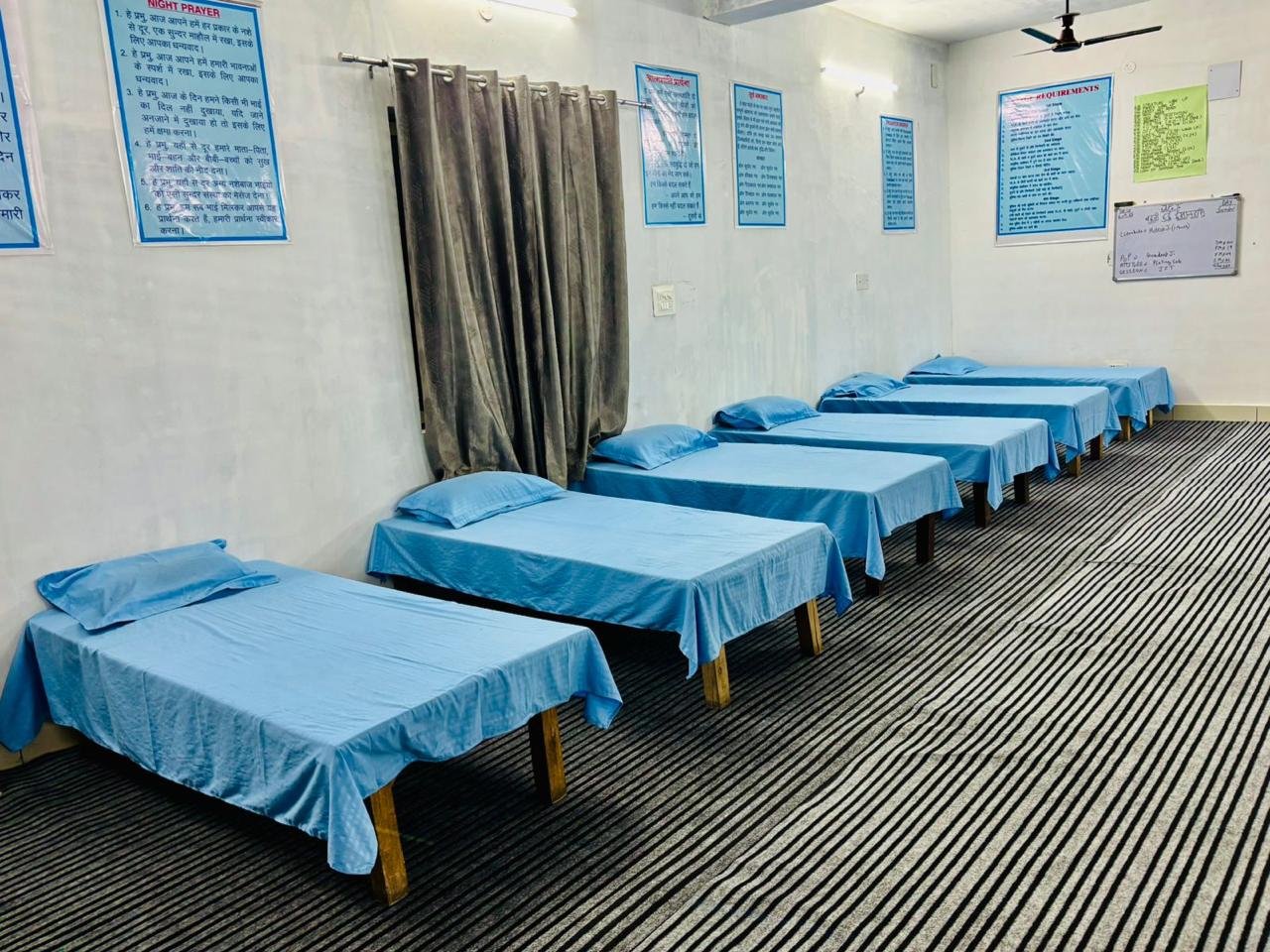
Inpatient or residential drug rehabilitation involves staying at a treatment facility while receiving structured care. This setting can provide separation from environments associated with substance use and allow patients to concentrate on recovery. Depending on the facility, services may include medical supervision, counseling, group therapy, educational sessions, wellness activities, and relapse prevention planning. Residential treatment may be particularly helpful for individuals who require a structured environment or who face significant challenges maintaining recovery in their usual surroundings. Before choosing a facility, families should review its qualifications, treatment methods, medical arrangements, patient safety procedures, and discharge planning.
Drug addiction can affect multiple systems within the body, and the nature of the harm depends on the substance, frequency of use, route of administration, dosage, and individual health factors. Some substances can affect heart rate, blood pressure, breathing, digestion, sleep, coordination, and immune function. Others may increase the risk of infections, injuries, organ damage, or overdose. Combining substances can create additional dangers, particularly when they interact in ways that suppress breathing or affect consciousness. Long-term substance use may also interfere with nutrition, exercise, medical appointments, and the management of existing health conditions. Rehabilitation can help patients receive medical evaluation, address substance-related complications, and establish healthier daily habits.
Medical supervision can help identify complications and provide appropriate treatment when withdrawal symptoms become difficult or dangerous. Withdrawal from alcohol or certain sedative medications, for example, can sometimes cause seizures, severe confusion, or other life-threatening complications. Withdrawal from opioids can cause significant distress, dehydration, and other health problems, while withdrawal from stimulants may involve fatigue, sleep disturbances, depression, and intense cravings. The risks differ between substances and individuals, making professional assessment important. Patients should not attempt to manage potentially dangerous withdrawal alone or discontinue prescribed medication without appropriate medical guidance in our Nasha Mukti Kendra In Mohali
When to Seek Emergency Help
If you or someone near you experiences this pain, difficulty breathing, sudden confusion, loss of consciousness, or any symptom that feels life‑threatening — call Our centre immediately.
Remember: Recovery is not simply about leaving drugs behind; it is about developing the knowledge, support, and healthy habits needed to build a life beyond addiction.
was struggling emotionally during my de-addiction treatment, but my counsellor’s kind words and continuous support helped me stay strong and focused on recovery.
During my toughest moments in the recovery process, my counsellor helped me believe in myself and gave me the courage to choose a healthy, addiction-free lifestyle.
Subscribe for weekly heart health tips, expert articles, and clinic updates — straight to your inbox.